What Is Midimalism? A Balanced Approach to Interior Design

In recent years, interior design has often been framed as a choice between two opposing styles: minimalism or maximalism. Yet for many homeowners, neither extreme truly reflects how they want their home to feel. This is where midimalism comes in - a more balanced, considered approach that sits comfortably between the two.
As an interior designer, I find that midimalism describes my own design philosophy rather well. I am not drawn to the starkness of strict minimalism, but equally, I don’t believe in filling a home for the sake of visual impact. Instead, I take a lighter, more discerning touch - carefully editing rather than stripping back or adding more.
Defining Midimalism
Midimalism is, quite simply, the middle ground between minimalism and maximalism. It embraces the calm, uncluttered feeling associated with minimalist interiors while still allowing for personality, warmth and a sense of history within a space.
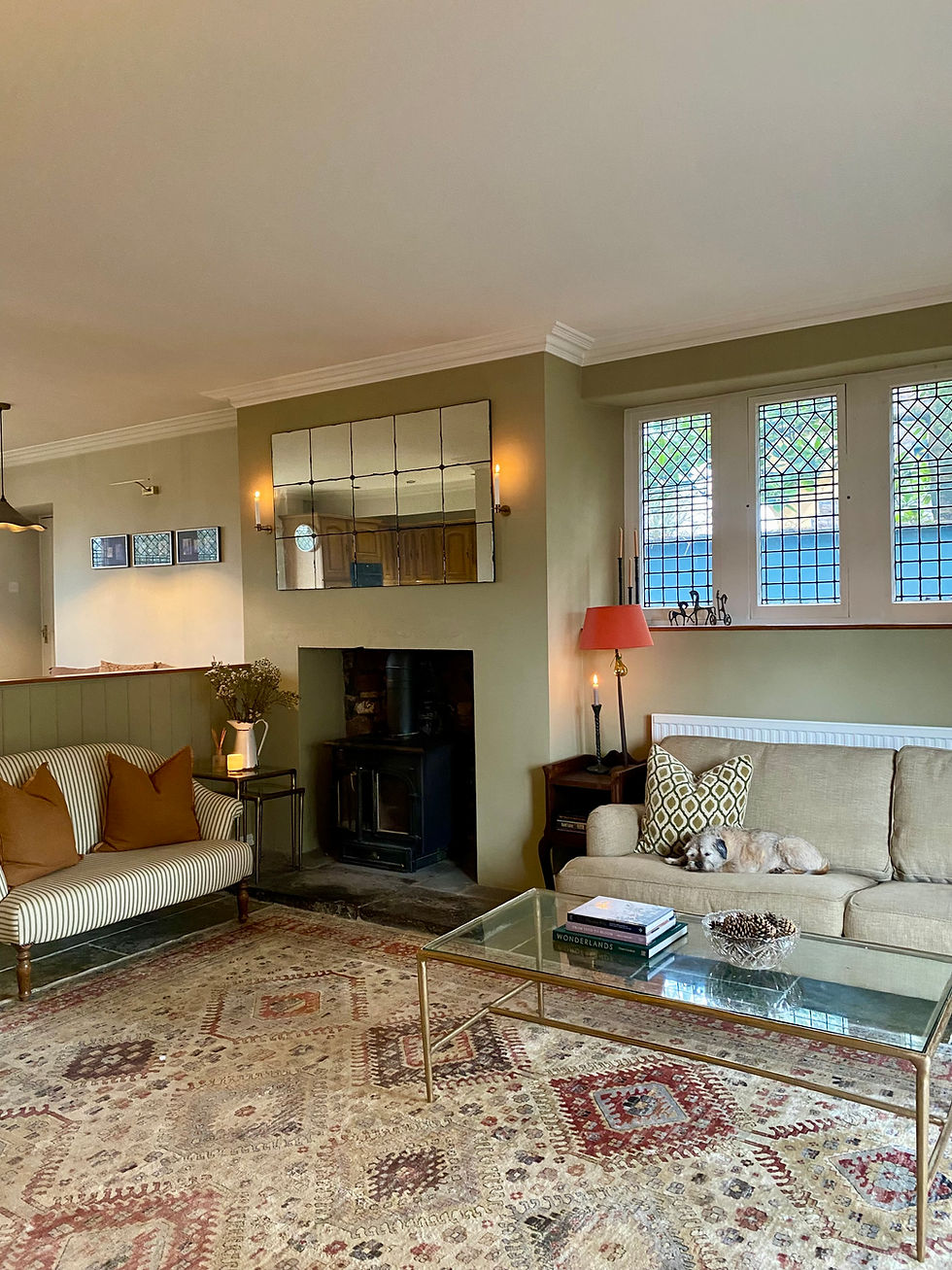
A midimalist home is not empty or sparse, but it is also not crowded or visually overwhelming. Each item in the room has a purpose or a story, and the overall effect feels calm, intentional and quietly layered.
Minimalism vs Maximalism vs Midimalism
Minimalism often focuses on:
very limited colour palettes
minimal furniture
a strong emphasis on empty space
While this can create a sense of calm, it can sometimes feel impersonal or difficult to live in for families or those who enjoy collecting meaningful objects.
Maximalism, on the other hand, celebrates:
bold colour combinations
layered patterns
large quantities of art and accessories
This approach can feel vibrant and expressive, but if not handled carefully, it can also become visually chaotic or date more quickly as trends change.
Midimalism sits comfortably between these two approaches. It allows for:
characterful furniture
carefully chosen artwork
layered textures and materials
-but always with a sense of restraint and balance.
The Principles of a Midimalist Interior
Thoughtful Editing Rather Than Strict Decluttering
Rather than removing everything that is not essential, midimalism focuses on keeping what truly matters. This might include inherited furniture, favourite books, or artwork collected over time. The key is not quantity, but intention.
A Calm, Cohesive Colour Palette
Midimalist interiors tend to use soft, harmonious colour schemes. This doesn’t mean everything must be neutral, but colours are chosen to sit comfortably together, creating a sense of visual flow throughout the home.
Quality Over Quantity
Instead of filling a room with multiple smaller items, midimalism prioritises fewer, better pieces. This could mean investing in a well-made sofa, a beautiful antique chest, or a piece of artwork that anchors the room.
Layering Without Clutter
Texture plays a significant role in midimalist spaces. Natural materials such as linen, wool, wood and stone add depth and warmth without overwhelming the eye. This layering helps a room feel inviting while still maintaining a sense of order.
Why Midimalism Works So Well for Real Homes
While highly minimalist or highly maximalist interiors can look striking in photographs, they are not always the easiest environments to live in day-to-day. Homes need to accommodate family life, changing routines and evolving tastes.
Midimalism offers flexibility. It allows a home to grow and adapt over time without losing its sense of calm or becoming visually cluttered. Because it is rooted in balance rather than extremes, it tends to age more gracefully and feels less tied to passing trends.
A More Discerning Approach to Design
In my own work, I often find that clients are instinctively drawn to this middle ground, even if they have never heard the term midimalism before. They want their homes to feel considered and welcoming, but not overly styled or sparse.
My approach is to refine and edit rather than to dramatically transform for the sake of impact. This often involves working with existing furniture, incorporating antiques or meaningful pieces, and introducing new elements only where they genuinely improve how a space functions and feels.
Is Midimalism Right for You?
If you find yourself drawn to calm, uncluttered spaces but still want your home to feel personal, layered and lived-in, midimalism may well resonate with you. It is particularly well suited to period homes and character properties, where architectural features and history already provide a strong foundation.
Ultimately, midimalism is not about following a strict set of rules. It is about creating a home that feels balanced, comfortable and quietly beautiful - a space that supports daily life while still reflecting the people who live there.
If you are considering updating your home and would like a thoughtful, balanced approach to interior design, working with an experienced interior designer can help you achieve a cohesive result without losing the character and personality that makes your home unique.


Comments